

Introduction
Ever stand on a noisy shop floor and ask, “How clean is this air, really?” That’s my opening—because the numbers don’t lie. A recent plant audit I saw showed particulate counts spiking during peak shifts, and automotive manufacturing welding fume extraction was the center of the struggle (you feel it in your lungs after an eight-hour run). So why do so many shops still chase dust with duct tape solutions when better gear exists?
I want to talk straight. I’ve walked past welders who wear the right PPE but still cough afterward. I’ve seen managers nod and say they’ll “fix it next quarter” — which often means nothing. Here, we’ll map the pain, point out where systems trip up, and then look at what actually helps. Let’s move on and dig under the hood.
Traditional Solution Flaws & Hidden Pain Points
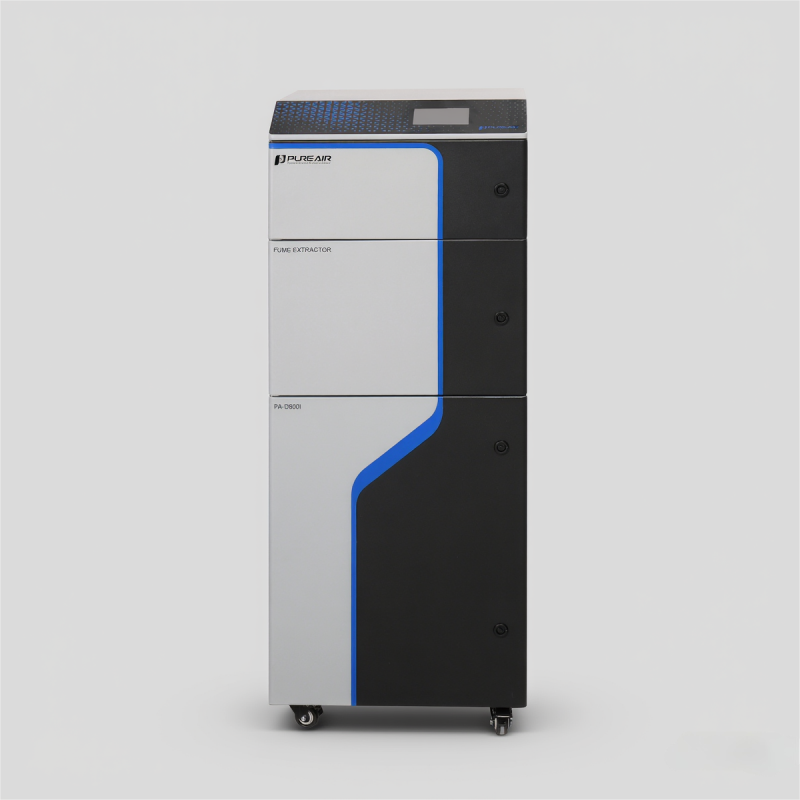
welding fume dust collector — that’s the gear people name-drop when they think they’ve solved it. But I’ll be blunt: many installs miss the mark. Systems get sized by rule of thumb, capture hoods sit too far from the arc, and LEV (local exhaust ventilation) layouts treat the shop like a one-size-fits-all box. I’ve seen HEPA filtration retrofitted to weak capture systems and the numbers barely budge. Look, it’s simpler than you think: if you don’t catch fumes at the source, filters only play cleanup.
Why do they fail?
First, designers ignore airflow paths. They model fans without modeling the welders and robots that block or change flows. Second, maintenance is an afterthought. Clogged pre-filters, bad seals and worn capture hoods kill performance. Third, workers and supervisors get left out of the plan. If hood position hurts productivity, it gets moved — every time. I’ve watched downdraft tables and capture hoods get shuffled like office chairs. The result: inconsistent capture, higher exposure, and trays of wasted filters. Add cyclone separator debates and you’ve got a mess. We need systems that perform in real-life, not just on paper.
Forward-Looking: New Technology Principles and How to Evaluate Them
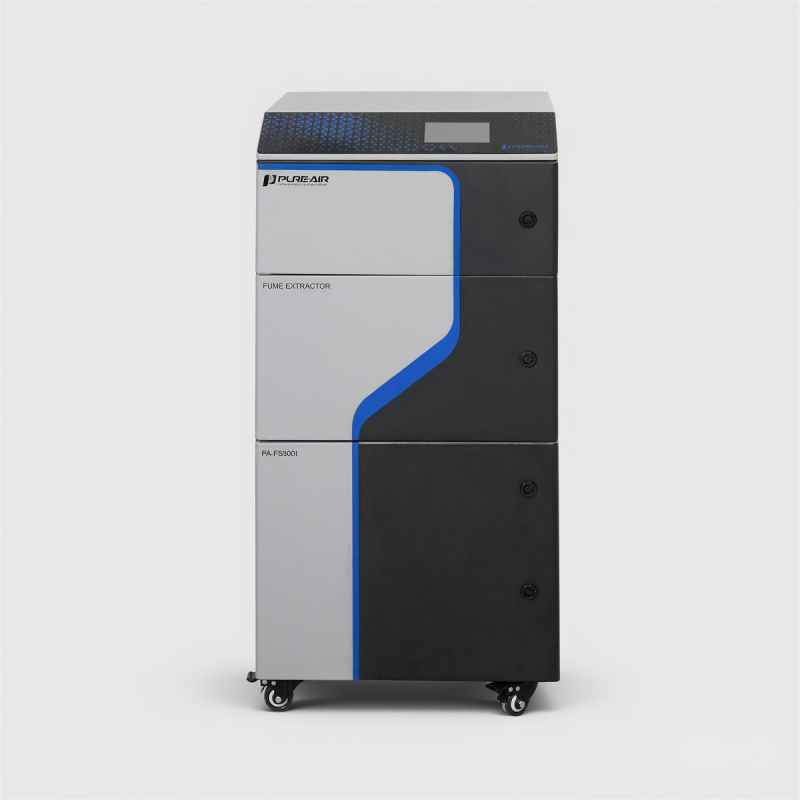
We’re now shifting gear to what’s coming next. Modern shops are pairing smarter control logic with proven hardware — and that matters. A new wave of setups ties sensor feedback to fan speed. When a weld fires, airflow ramps. When it’s idle, the system idles too. That saves energy and keeps capture focused. I like when tech solves two problems at once: worker safety and operating cost. For this, the welding fume dust collector becomes more than a filter bank; it’s part of a responsive system.
What’s Next?
Look for edge computing nodes on the shop floor that read particle sensors and control power converters to modulate fans. Downdraft table combos with hood-assisted extraction are showing real gains in trials — funny how that works, right? Also, think about real install constraints: robot cells, conveyors, and human traffic. You want modular capture, not a fixed box that won’t adapt. Below are three metrics I use when I evaluate systems: capture efficiency measured at the source, energy per cubic meter of air moved, and total cost of ownership including filter change-out cycles. These metrics cut through marketing fluff and show what works. I’m partial to solutions that are easy to maintain and don’t need a PhD to operate — because on the floor, simple is reliable.
Closing: How I’d Judge a System — Three Practical Metrics
Here’s my short list for decision time. First, source capture efficiency: check particle counts right at the weld, not five feet away. Second, operational energy draw: measure kW per m3 during cycles. Third, maintainability: filter life, access for techs, and real-world uptime. If a supplier can show solid numbers on those three, I listen. If not, I move on.
We’ve chased this from scenario to solution. I’ve been in the shop and seen the wins — and the fails. If you want a partner that speaks plain and delivers performance, consider PURE-AIR. PURE-AIR
 Admin