

Introduction
I remember standing in a chilly poultry house at dawn, watching birds wake under a mix of flickering old bulbs and a single bright LED retrofit — and thinking, we can do better. In that moment I knew led barn lights would change more than the wattage on our bill: they reshape labor, bird welfare, and farm yields. Recent surveys show farms can cut energy by 40–60% with good LED retrofits while improving light uniformity and control (simple math, big margin). So how do we spot the real growth spots on our own farms and pick solutions that actually work for daily life — not just the spec sheet?
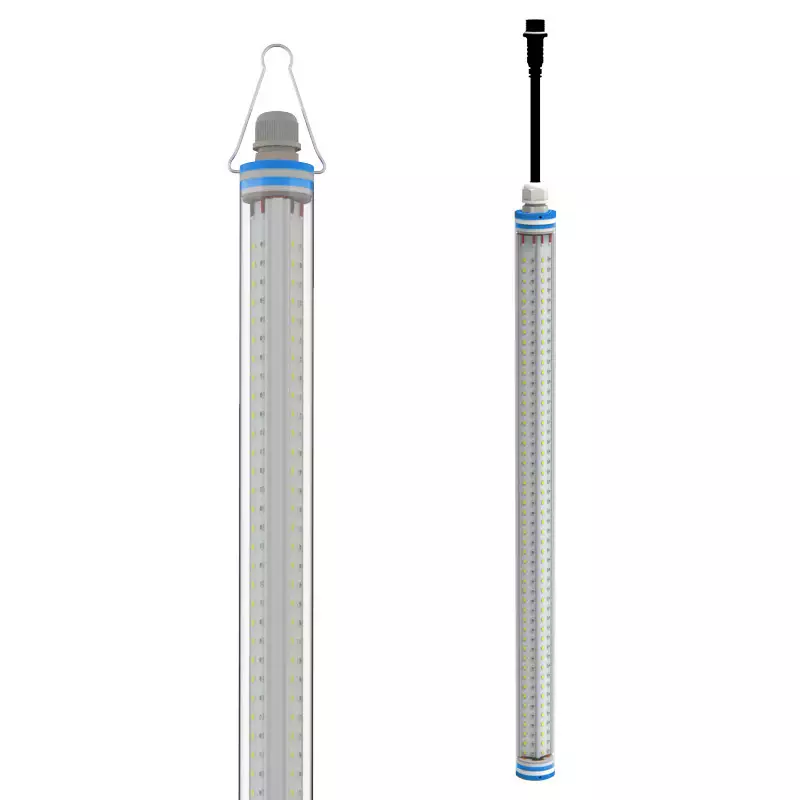
Hidden Pain Points in Poultry Lighting
poultry lighting often comes across as a solved problem on paper. In the field, though, I see recurring weak spots: uneven lumen output, confusing dimmer interfaces, poor LED driver reliability, and mismatched photoperiod control that stresses birds and staff. These are small headaches that add up. Look, it’s simpler than you think — when light flickers at shift change, birds hide; feed conversion dips. When power converters fail in cold weather, maintenance spikes. Those are the real costs hiding behind a “low energy” label.
Why do these problems persist?
Many vendors focus on peak lumen claims and CRI numbers. Yet farms face dust, ammonia, wiring drops, and variable loads. The result: spec-perfect fixtures that fail on day 90. I’ve seen LED drivers overheat because the enclosure wasn’t rated for the barn environment. We need to push beyond shiny specs to durability, serviceability, and simple controls that workers actually use. That’s where meaningful ROI lives.
New Principles for Smarter Barn Lighting
Moving forward, I favor three guiding principles when evaluating systems: resilience, control simplicity, and data-led tuning. Resilience means hardware choices that match barn conditions — IP-rated housings, thermally stable LED drivers, and robust power converters. Control simplicity means operators can set photoperiod control and dimmer schedules without a PhD; an easy UI beats exotic automation every time. Finally, data-led tuning ties light settings to measurable outcomes: flock behavior, feed conversion, mortality, and energy use. — funny how tight feedback loops cut guesswork, right?
What’s next for farms?
Practically, that means piloting one house with an integrated system that logs lumen output, power draw, and simple events (lights on/off, dim steps). We watch the data for a few cycles, adjust photoperiod control and dimmer interface presets, then scale what worked. I recommend testing for wiring loss at the furthest fixture, verifying LED driver temperature under load, and confirming dimmer response with actual staff. These checks are small but reveal big hidden costs; they also make adoption smoother for crews who resist change.
Three Metrics I Use When Choosing LED Barn Lights
When I advise growers, I narrow choices using three clear metrics you can measure before full rollout:
1) Effective lumen output at bird level after 12 months (not initial lab lumen). This shows real-world degradation and fixture placement impact. 2) Control usability score: can an average worker set photoperiod and dimming in under five minutes? If not, it won’t be used. 3) Serviceability index: mean time to replace an LED driver or power converter, and vendor response time. Faster fixes save far more than a small upfront savings. These metrics keep decisions practical and tied to outcomes.
Closing Thoughts: Practical Steps and a Final Note
I’ve worked with growers who doubted LEDs until they measured a steady cut in energy with better bird calm and lower labor churn. The lesson? Start small, measure, and be honest about hidden pains. Replace one house, log data, and compare feed conversion and mortality across cycles. If the numbers move, expand. If not, iterate. It’s hands-on work. You’ll learn faster by doing than by reading another brochure.
For a tidy next step: put together a short pilot checklist (fixture spec, IP rating, LED driver type, dimmer interface trial, a data log plan) and run a 90-day test. I’ll be candid: change takes time and mistakes happen — but the right approach pays back in comfort, clarity, and cash. And if you want a practical partner who gets both the barn floor and the electrical spec, check out szAMB.
 Admin
Admin