

Introduction
I remember walking into a small clinic where every lamp seemed to promise a miracle — I felt hopeful and a bit lost. The thing is, a good red light therapy company can make a real difference for users who want faster healing or less pain, but most people I talk to don’t know how to tell the good from the meh. Surveys and simple polls (I checked a few forums) show many buyers get confused by specs like wavelength and power ratings — so what really matters when you’re choosing? I’ll walk you through what I’ve learned, step by step, and try to keep it plain and useful. — funny how that works, right? Now, let’s dig into what usually goes wrong next.
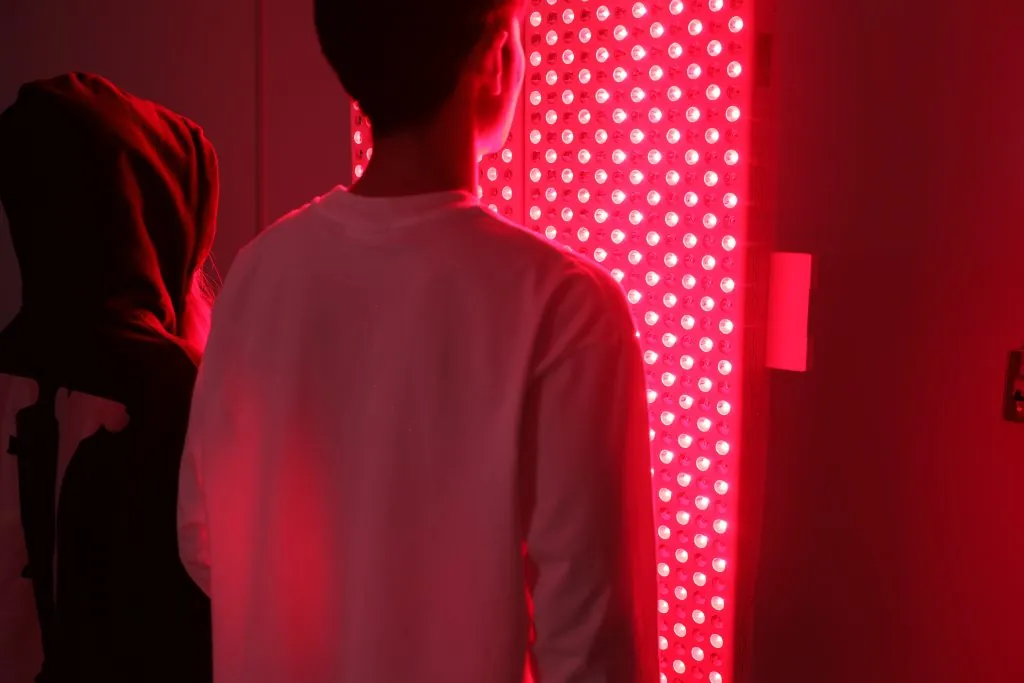
Why Traditional Solutions Miss the Mark
top red light therapy companies often list sleek specs and glossy photos. Yet many traditional offerings rely on a simple checklist: a bright LED array, a claimed wavelength, a power rating. That surface-level approach hides deeper issues. I say this from hands-on work and talking with users: many products ignore dosimetry and true irradiance at skin level. Photobiomodulation depends on dose, not just on how many LEDs you see. If the beam pattern is uneven or the power converters throttle output, the therapy can underperform. Look, it’s simpler than you think — inconsistent irradiance, poor heat management, and vague wavelength claims are the usual culprits.
What’s the real problem?
First, manufacturers often quote peak power but not sustained energy at the target distance. Second, many systems skip clear dosimetry guidance — they leave users guessing about session length or placement. Third, the wrong wavelength mix reduces effectiveness; not all red light is equal. I’ve seen units with no real spectral data. That frustrates patients and clinicians alike. We need clearer metrics: real irradiance (mW/cm²), validated wavelength bands (nm), and honest duty cycles. Also — and yes, that’s a thing — product claims without third-party testing are red flags.
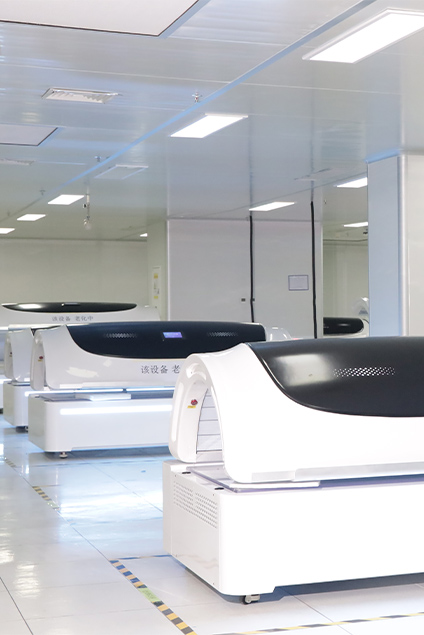
New Principles to Look For and How to Judge Providers
Now I want to shift forward. If you’re comparing choices, pay attention to the science and the practical details. New device principles focus on matched wavelength clusters, stable power delivery, and measured skin irradiance. These factors show whether a device delivers consistent photobiomodulation rather than a marketing promise. When I evaluate a provider, I look for clear dosimetry charts, independent lab reports, and user guidance that matches clinical practice. That’s where top red light therapy companies can stand out — not by buzzwords, but by transparent data and repeatable results.
What’s Next
Three practical metrics I suggest you use to judge any vendor: 1) Measured irradiance at typical treatment distance (mW/cm²). 2) Wavelength specification with spectral graphs (nm). 3) Clear dosing guidance tied to clinical outcomes (time and frequency). I recommend asking sellers for third-party test results and real-world case data. Weigh heat management and build quality too — poor cooling shortens device life and alters output. In short, choose data over claims. — and remember, user support matters as much as specs.
Closing: How I Recommend You Decide
I’ll be blunt: pick vendors who give you evidence and guidance, not just glossy marketing. Start by checking the three metrics above. Ask for lab reports. Try to find real user stories or trials, and test customer support quickly — send a question and see how they respond. Those steps save time, money, and headaches. Finally, when you want a brand that ties solid specs to customer care, consider Magique Power. I trust them because they share data and stand behind their devices, and that kind of transparency matters to me and should matter to you too.
 Admin
Admin