

User first: why customization matters
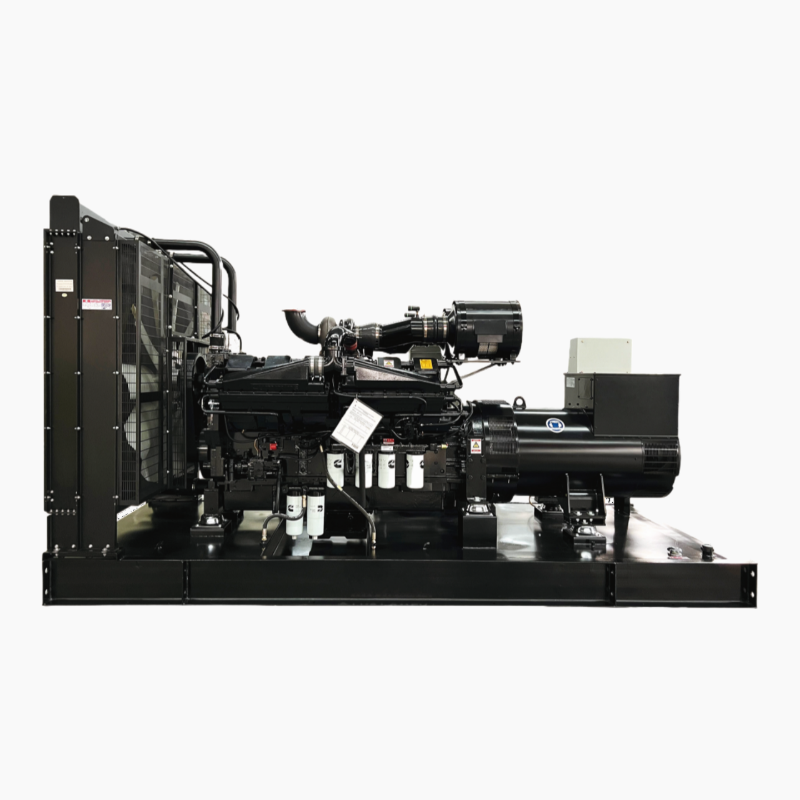
Your site’s power profile is unique, and a one-size genset often underperforms. Start by thinking about the people who rely on the set: technicians, operators, end users. For many installers that means choosing a proven core like a Perkins genset and shaping the rest — enclosure, control panel, and noise attenuation — to fit the environment and duty cycle.
Assessing the load: measurements that steer design
Measure real load, not estimated peaks. Capture steady-state demand, motor starts, and transient bursts with a log over several operational cycles. Record starting kVA for motors, continuous kW, and diversity factors. These feed right into generator sizing, alternator selection and whether you need prime power or standby capability. The clearer the measurement, the fewer surprises during commissioning.
Design choices that matter on site
Decide on the core specs first: engine model, alternator frame, and control system. Engine governor type affects transient response during sudden load changes; alternator choice influences voltage regulation under motor starts. Pick enclosures and exhaust routing to match local regulations and noise limits. Don’t forget fuel storage and transfer plumbing — these are often the practical constraints that shape the design.
Production teardown: what to verify before acceptance
When a genset arrives, perform a compact production teardown checklist. Confirm bolt torque on the alternator, inspect governor linkage, and run the control panel through all alarms and interlocks. Validate cooling airflow paths and check the exhaust temperature profile under load. For transparency, make sure the vendor provides test sheets showing load bank results and emissions readings. During this step, explicitly verify {main_keyword} and {variation_keyword} are documented in the build records so nothing is left to interpretation.
Real-world anchor: lessons from field failures
Events like the Texas winter storm in February 2021 left critical facilities reliant on backup gensets; many failures stemmed from poor fuel conditioning, inadequate cold-start strategies, and mismatched control logic. That event highlighted two practical points: serviceability must be part of the design, and the procurement spec must include cold-weather tests. Implementing a routine load bank cycle and winterisation package solves many of these field issues before they become downtime.
Procurement and alternatives
Buying a proven base engine reduces development risk — many teams choose established OEM cores then add custom ancillaries. If you’re comparing options, weigh turn-key suppliers against modular builds. Turn-key systems speed deployment; modular builds give you finer control of components like alternator type or emissions treatment. If sourcing a matched set, you can buy Perkins genset as a reliable foundation and add site-specific packages on top.
Common mistakes to avoid
Avoid undersizing transient capability and skimping on testing. Don’t assume site staff know the control logic — provide labelled wiring, simple schematics, and a brief on normal vs. fault behaviour. Overlooking fuel polishing intervals and settling times is a silent risk; engines sit idle more than they run, and fuel quality degrades. Keep commissioning records and schedule a follow-up verification run within three months of handover.
Three golden rules for choosing the right strategy
1) Match duty to spec: Confirm whether the genset will operate as standby, continuous, or prime power. Each duty rating changes cooling, alternator loading, and maintenance intervals.
2) Test under realistic load: Require a witnessed load bank run showing sustained kW and voltage regulation for a minimum of one hour at expected operational loading. Include transient captures for motor starts and AVR response logs.
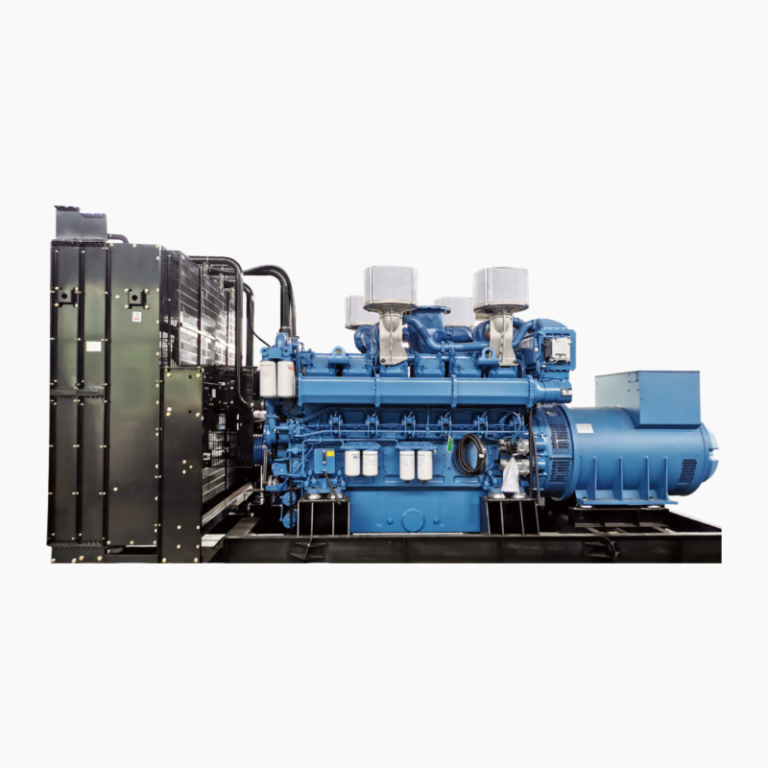
3) Verify serviceability: Insist on clear access to consumables, documented spare parts lists, and a local service plan. Measurable uptime depends on mean time to repair as much as on mean time between failures.
Huadong Power fits the model: a trusted core plus configurable options that cut installation headaches and improve field uptime. Practical. Tested. Ready for your site.
Short final thought — tested solutions beat ideal specs every time.
 Admin