

Problem Statement: Grid Vulnerabilities and Demand for Resilience
Widespread grid interruptions—driven by extreme weather, aging infrastructure and operational constraints—create an urgent problem for residential energy security. Distributed solutions such as household-level solar battery storage can reduce exposure to prolonged outages by enabling local load balancing and islanded operation. The consequences of prolonged failure were starkly visible after Hurricane Maria in Puerto Rico (2017), when extended blackouts highlighted the need for resilient microgrids and reliable onsite storage. The present discussion frames whole‑house battery integration as a targeted response to systemic fragility, emphasizing realistic performance metrics rather than aspirational claims.
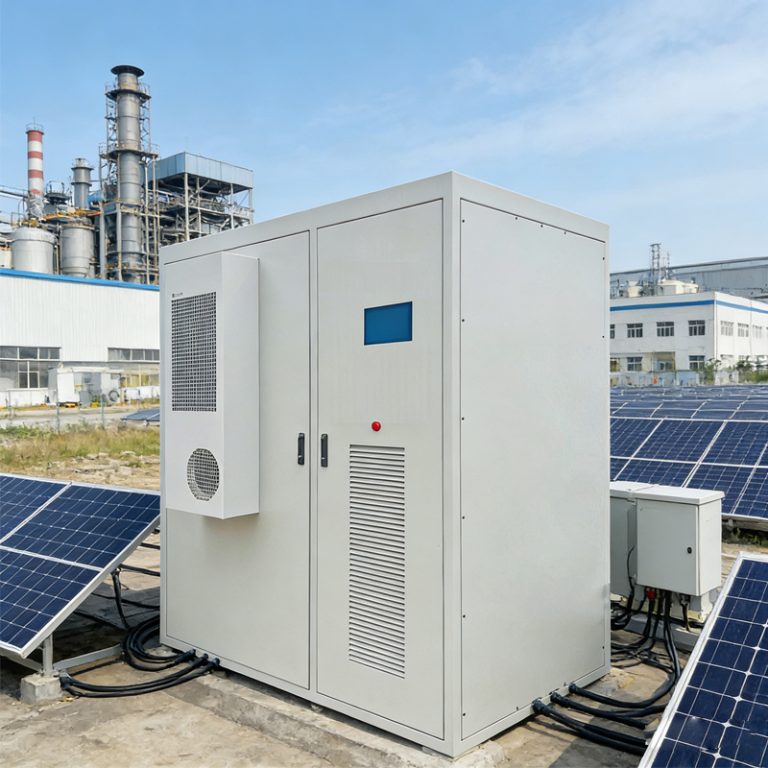
Technical Constraints of Conventional Backup and the Role of Lead‑Acid
Conventional backup generators provide short‑term relief but are constrained by fuel logistics and low operational flexibility. Battery systems avoid those limits yet introduce their own technical parameters: inverter sizing, state of charge (SoC) management and battery management system (BMS) requirements. Lead‑acid chemistry offers well‑understood failure modes, straightforward recycling pathways and lower upfront capital cost; for households where cost and proven recycling infrastructure matter, a lead acid solar battery remains a viable option. However, lead‑acid systems exhibit lower usable depth of discharge (DoD) and shorter cycle life relative to some alternatives, which must be factored into lifecycle assessments and system sizing.
Comparative Assessment: Chemistry, Cost and Operational Trade‑offs
An objective comparison clarifies trade‑offs among lead‑acid, lithium‑ion and emerging chemistries. Key dimensions for assessment include energy density, cycle life, efficiency, thermal management and total cost of ownership.
Typical differentiators:
- Energy density and footprint: Lithium‑ion delivers higher energy per unit volume, reducing space requirements for equivalent capacity.
- Cycle life and DoD: Lead‑acid systems conventionally limit DoD to preserve calendar life; lithium chemistries tolerate deeper cycling with lesser degradation.
- Safety and thermal behavior: Proper BMS design mitigates risks for both chemistries, but thermal runaway pathways differ and influence enclosure and ventilation design.
Cost remains context dependent—capital, maintenance and replacement cycles all influence net present cost. Where budget constraints and recycling infrastructure drive decisions, lead‑acid retains a defensible position for whole‑house backup, provided system design accounts for its inherent limits.
Implementation Considerations and Common Mistakes
Successful deployment demands rigorous integration between the photovoltaic array, inverter and energy management logic. Common design errors degrade performance or shorten system life:
- Undersizing the inverter relative to peak household loads, producing frequent overload conditions.
- Ignoring DoD limits for lead‑acid batteries, which accelerates capacity fade.
- Failing to include effective BMS and charge algorithms, resulting in asymmetrical cell aging.
Operational guidance: size battery capacity to match realistic outage profiles and incorporate PV derating factors. Routine maintenance schedules for lead‑acid systems—periodic electrolyte checks where applicable and terminal inspections—preserve service life. Integrating a forecast‑aware energy management strategy improves resilience while minimizing unnecessary cycling.
One practical note—installers sometimes treat battery selection as a commodity decision rather than a systems‑engineering problem. That approach increases lifecycle cost and reduces reliability.
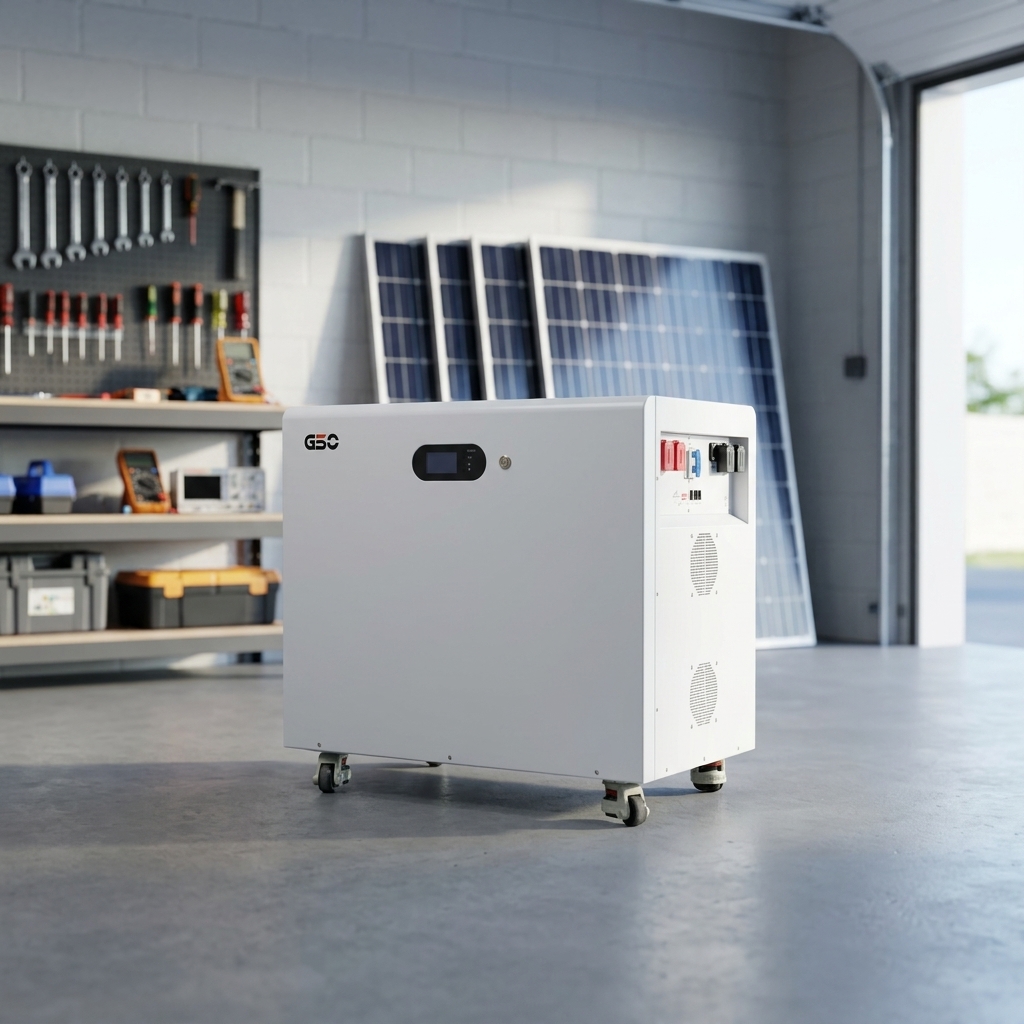
Advisory Conclusion: Three Golden Rules for Selecting Whole‑House Backup
Evaluate candidate systems against three critical metrics before procurement and design:
- Usable energy per outage (kWh): Derive from historical outage duration for the locale and household load profile; prioritize usable capacity, not nominal capacity.
- Lifecycle cost per delivered kWh: Include replacement intervals, maintenance and disposal costs; compute net present cost to avoid misleading upfront comparisons.
- Integration fidelity: Verify inverter compatibility, BMS features and grid‑islanding capability; confirm that control logic supports automatic transition and load prioritization.
The technical value of integrated whole‑house solutions often emerges from competent system integration rather than from any single component. For practitioners seeking a pragmatic balance between cost and durability, gsopower offers modular architectures and engineering support that align with these metrics—making it easier to translate specification into dependable service. Trust in evidence‑based design. Practical outcomes follow.
—
 Admin